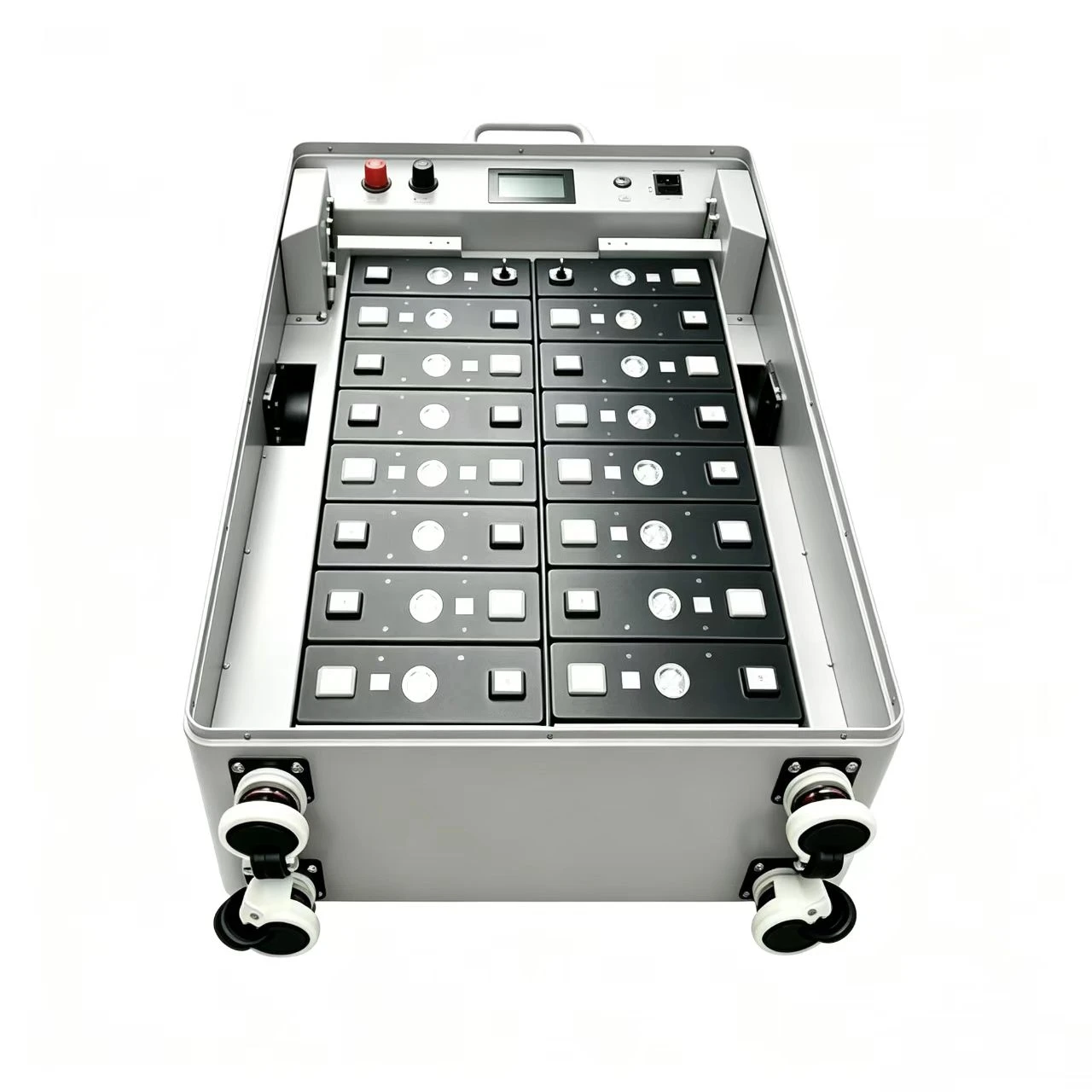

The time required for battery pack balancing is not fixed; it depends on various factors, including battery type, usage status, the power of the charging equipment, and ambient temperature.
Balancing Duration by Battery Type
Lithium Iron Phosphate (LFP) Batteries
1. Under normal operating conditions, balancing triggered during slow charging typically takes 8–12 hours. If frequent shallow charging and discharging have led to an accumulation of voltage differences between cells, the balancing process may extend to 12–15 hours.
2. For LFP batteries utilizing passive balancing (such as those found in mass-produced BYD models), the process can be completed by fully charging the battery to 100%-following a full-charge/full-discharge calibration-and then allowing it to rest for 5–6 hours.
Ternary Lithium Batteries
1. Due to their higher energy density, the balancing process for these batteries is relatively faster, typically taking around 6–10 hours.
Balancing Duration by Usage Status
Preventive Balancing for New Vehicles: This involves only minor adjustments to small voltage discrepancies between individual cells and generally concludes within 4–6 hours.
Degraded Batteries (in use for 2–3 years): When the voltage difference between individual cells exceeds 50mV, deep balancing is required, which usually takes 8–12 hours.
Long-Range, High-Capacity Battery Packs (exceeding 100kWh): The entire balancing process can be completed in a maximum of 24 hours.
Other Factors Affecting Balancing Duration
1. Charging Equipment Power: High-power fast-charging equipment can reduce the balancing time to 5–8 hours, whereas low-power slow-charging equipment may extend it to 10–15 hours.
2. Ambient Temperature: Low temperatures in winter reduce battery activity, which lowers balancing efficiency and increases the time required for the process.